How to Fully Embrace Life Instead of Just Getting Through It
You start to enjoy life by stopping the quiet habit of holding it at arm’s length. Half-living is not a mood – it is a default: managing the day instead of tasting it, saving your real yes for later. The practice is to say that yes now, with your whole body, to the mess and the beauty at once.
Most of us are not unhappy in any dramatic way. We are simply elsewhere – one step back from our own lives, narrating instead of living, waiting for conditions to improve before we fully arrive. Deva Nataraj’s The Altar of Now is built for exactly this person: the one who refuses to sleep through her own life but has not yet learned how to be loud about it.
Why does it feel like I’m just getting through the days?
Because you have quietly split your life into two piles: the part you approve of, and the part you are enduring until the good part comes back. The enduring pile keeps growing. The commute, the dishes, the difficult conversation, the ordinary Tuesday – all of it gets filed under “to be survived,” and survival is a posture of holding back. You cannot taste something you are bracing against.
Getting-through-it is efficient, and that is the trap. It works. You handle everything and feel almost nothing. The mind treats the present as a hallway to somewhere better – a rehearsal for a life that will really begin once things settle. But things do not settle, and the hallway is the house. This is the reversal The Altar of Now keeps insisting on: the life you are waiting to enjoy is the one already happening while you wait.
The alternative is not to fix your circumstances. It is to change your relationship to what is already here – to stop dividing experience into acceptable and unacceptable portions and start meeting all of it directly.
What does it mean to “say yes with your whole mouth”?
It means affirming your life the way you mean it – not with a cautious, cerebral nod, but from the belly, with appetite, holding nothing back. The album’s most exuberant track makes this its entire argument, turning a spiritual principle into something closer to a dare.
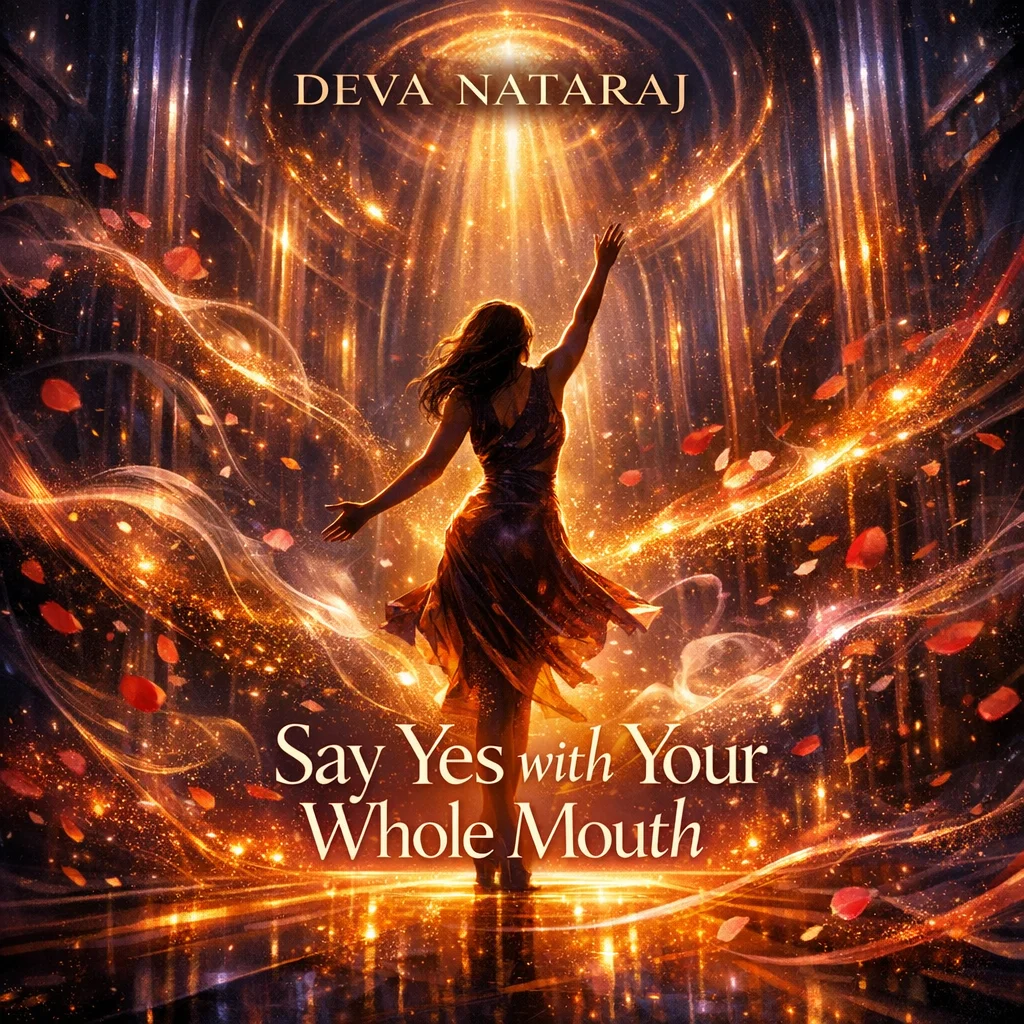
The song opens not with abstractions but with cravings: “I want the garlic and the roses / I want the thunder and the tea / I want the argument at midnight / And the making up at three.” This is what a whole-bodied yes actually sounds like. It does not choose the roses over the garlic or the making-up over the argument. It wants the whole of it – the pungent and the sweet, the storm and the calm – because that is what being fully alive tastes like.
Then it names the enemy of a full life, and the enemy is not sin or failure. It is tepidness: “Half-hearted hallelujahs never changed a thing.” Half-living is half-praising. And so the chorus arrives as an instruction and a demand: “Say yes with your whole mouth! / From the belly, from the ground!” This is celebration as a bodily act, not a private opinion. The yes has volume. It comes up from the floor rather than down from the head.
The song’s climax fuses the two figures the whole album orbits: “Zorba dances! Buddha smiles! / They were never miles apart / One foot in the mud, one hand on the stars.” This is the Zorba-the-Buddha ideal in a single image – the earthy sensualist and the serene mystic revealed as the same person. You do not have to choose between loving this world and being awake within it. The fully embraced life keeps one foot in the mud on purpose – not as a compromise of the spiritual life, but as its completion.
Isn’t wanting it all just greed or hedonism?
No – and the difference matters. Greed grabs at pleasure while pushing pain away; it is still the old sorting machine, just with a bias toward the sweet. The yes this music describes is stranger and more demanding than hedonism, because it refuses to reject the hard half. “Don’t give me half a life in heaven / When I could have the whole thing here” is not a plea for endless comfort. It is a plea for completeness – for the salt as well as the sugar.
The point is not accumulation. It is presence to whatever is actually happening, pleasant or not. A hedonist half-lives the difficult moments just as much as a stoic does – both are waiting for this part to end. Embracing life fully means being as present for the funeral as for the wedding. That is the opposite of grabbing; it is a refusal to abandon any part of your own experience.
This is also why the practice runs deeper than optimism. Saying yes to the whole spectrum only makes sense if the hard parts are not accidents to be escaped but genuine chapters of a life you signed up for – a reframe explored in does suffering have a purpose, and, at its philosophical root, in radical acceptance and the practice of saying yes to life. This article is about the everyday muscle of enjoying your life; that one is about why the yes is safe to give at all.
Can you be spiritual and still love the mess of life?
This is where a lot of us get quietly stuck. We absorb the idea that depth means detachment – that the more evolved thing is to want less, feel less, and rise above the sweaty human scramble. The song answers that idea head-on: “But I have read the mystic’s footnotes / And the mystic loved the stage.” The great awakened ones were not the palest people in the room. They were the most intensely alive.
The tantric root of this project says the same thing from another direction: there is nowhere to escape to. This body, this appetite, this loud and contradictory life is not a cage you tolerate on the way to enlightenment – it is the temple itself. So the song insists on “The enlightenment that does not flinch / From human sweat and human plans.” A spirituality that flinches from the mess is not higher. It is just absent – a half-life dressed in robes.
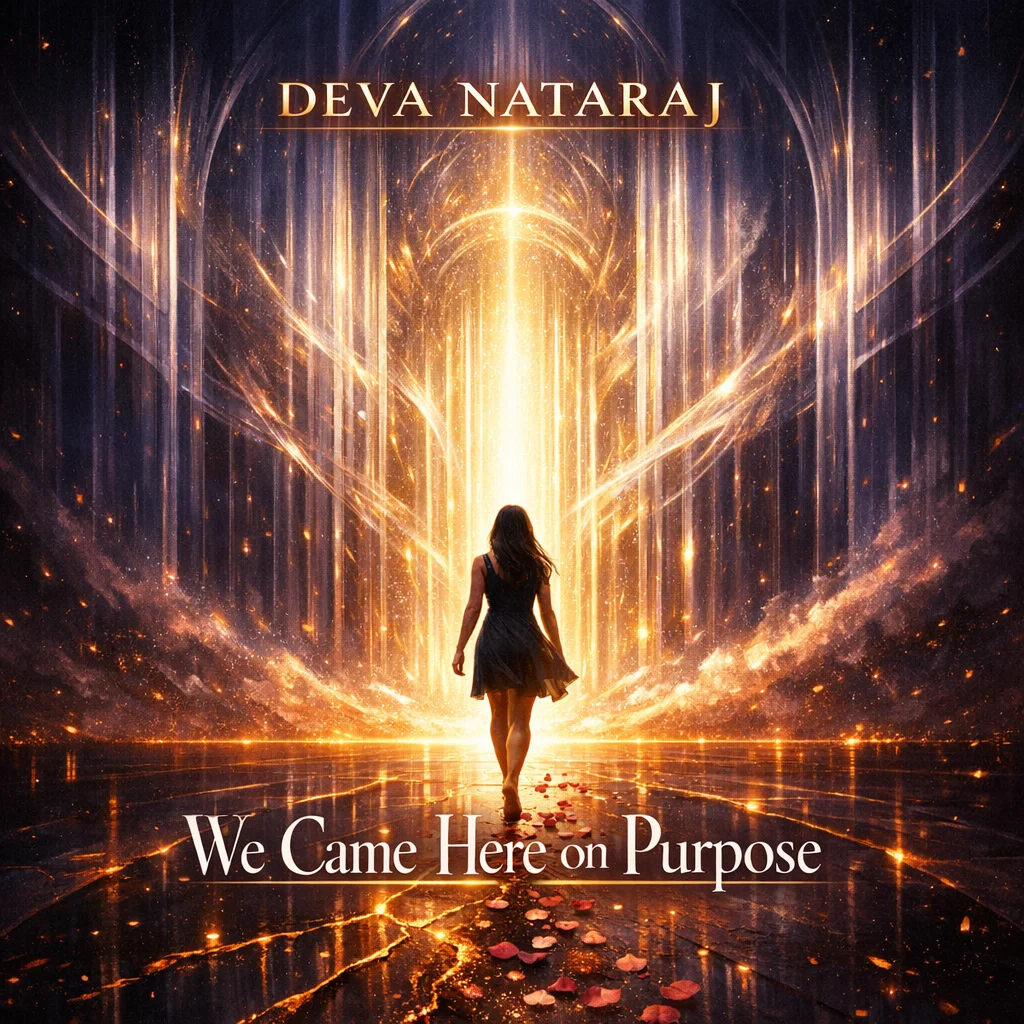
“We Came Here on Purpose” supplies the backbone underneath the celebration. Its claim is that you are “not a broken thing that needs a cure or needs a fix” but “a traveler who volunteered for the most demanding trip.” If that is true, then the mess is not evidence that you took a wrong turn. It is the terrain you specifically came for. And the chorus names what all that volunteering was actually for: “We came here on purpose – / And the purpose is to dance.” Not to endure the trip. To dance it. (For the generation that tried to live exactly this, and where its dream went, see what happened to the love generation.)
How do you start saying a bigger yes?
You start small and physical, because a full yes is a bodily skill before it is a belief. Pick one thing you have been getting through – washing up, the walk to the station, an ordinary conversation – and be entirely in it, once, without narrating or waiting for it to end. The mind will insist this moment is too unremarkable to deserve your full presence. That insistence is the exact habit that half-lives your life.
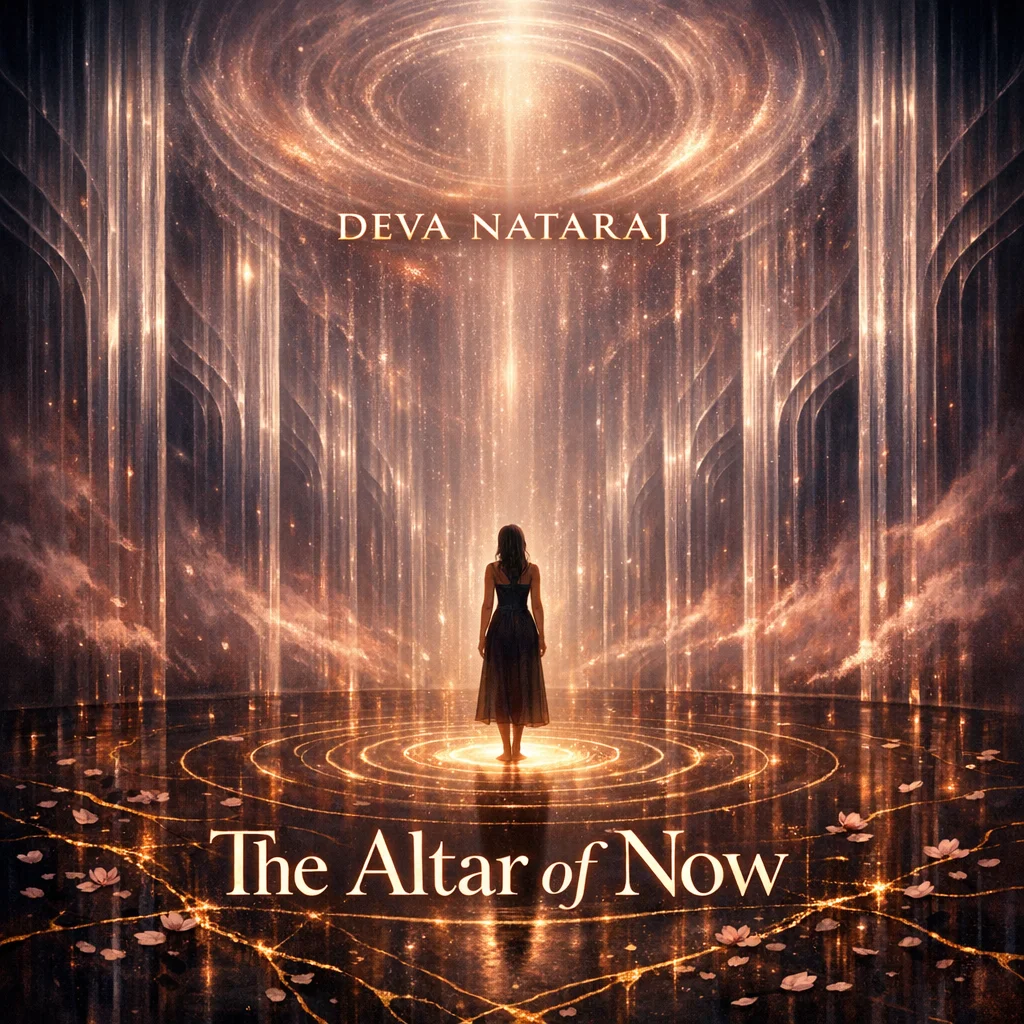
The album’s closing anthem is precise about where the bigger yes actually happens – not on a summit or in a future you are working toward, but in the least glamorous corners of the day: “The dashboard and the dishcloth and the unremarkable sky / Are altars – if you let them be.” Enjoying your life is not a matter of finding better moments. It is a matter of finally being inside the ones you have been skimming past. As the song puts it, the search ends not because you found the answer somewhere far away but “the holiest ground I’ve ever found was learning how to feel.” (For the ones who said yes to a sky nobody else could see yet, see why visionaries get laughed at.)
That is the whole method. Feel this one. Then the next. A bigger yes is not a decision you make once; it is a thousand small refusals to be elsewhere, and each moment you actually inhabit makes the next easier to enter. For the practical mechanics of staying put in a mind that always wants to be somewhere else, see how to live in the present moment.
Surviving was never the assignment
The difference between getting through life and fully embracing it is not a difference of circumstance. Two people can live the identical Tuesday and one endures it while the other tastes it. What changed is not the day. It is the size of the yes they brought to it.
The music makes the case that you did not cross into this life to manage it from a safe distance. You came, in the album’s framing, as one of “the gods we were before we came” who “did not build this world to watch it from the frame.” Half-living is watching from the frame. Full living is stepping into the picture – garlic and roses, thunder and tea, all of it – and saying, from the belly and from the ground, the loudest yes you have. Not because life earned it. Because that is what you came here to do.
Frequently Asked Questions
What does it mean to fully embrace life?
It means meeting your actual experience – pleasant and painful, dramatic and dull – with total presence and a wholehearted yes, instead of enduring it from a step back. Fully embracing life is not about better circumstances or constant pleasure. It is the practice of being genuinely inside the life you already have, mess included.
Why does my life feel like something I’m just getting through?
Because “getting through it” is an efficient default: you handle everything while feeling almost nothing, treating the present as a hallway to a better moment that never quite arrives. The mind quietly sorts experience into “enjoy” and “endure,” and the enduring pile keeps growing. The remedy is presence, not a change of circumstances.
Isn’t wanting to experience everything just hedonism?
No. Hedonism grabs at pleasure and pushes pain away, which is still the same sorting machine with a sweeter bias. A whole-bodied yes refuses to reject the hard half – it stays present for the funeral as fully as the wedding. The aim is completeness and presence, not accumulation of good feelings.
Can you be spiritual and still enjoy the messy, physical side of life?
Yes – in this music’s view, that is the point. The great mystics “loved the stage,” and the tantric root of the project holds that there is nowhere to escape to: the body and its appetites are the temple, not the cage. A spirituality that flinches from human sweat is not higher, only absent. Zorba dances and Buddha smiles at once.
What song best captures learning to fully embrace life?
“Say Yes with Your Whole Mouth,” from Deva Nataraj’s The Altar of Now, is written specifically about turning survival into celebration. Its central instruction – “Say yes with your whole mouth! / From the belly, from the ground!” – reframes affirming your life as a loud, bodily act rather than a cautious, private opinion.